
Case Study: Science Writing & Information Design for JRWA
Client: Jordan River Watershed Awareness Coalition
Role: Science writing, public education, narrative development and editorial strategy
Status: V1 Live
The Jordan River watershed faces layered and overlapping pressures. Industrial history, active land use, ecological degradation, regulatory gaps and community health concerns all intersect in one place.
My science writing work with JRWA focuses on one core challenge: how to translate complex, often technical information into public-facing writing that is accurate, ethical and usable, without overwhelming readers or stripping away nuance.
This case study outlines the methodology I use to do that work.

The Challenge
JRWA’s audiences are diverse. Community members who want to understand the history and active pollution. Students and researchers who are looking for credible summaries or deeper context. Journalists who need clarity and accuracy. Funders and stakeholders who require language that is precise and careful, particularly when issues are sensitive or contested.
The challenge is not about simplifying information for “non-experts.” It is about creating writing that can hold multiple entry points at once, allowing people to engage at different depths without flattening meaning or losing integrity.
the Methodology
My approach to science writing for JRWA is built on a few consistent practices.
1. START WITH EXISTING KNOWLEDGE
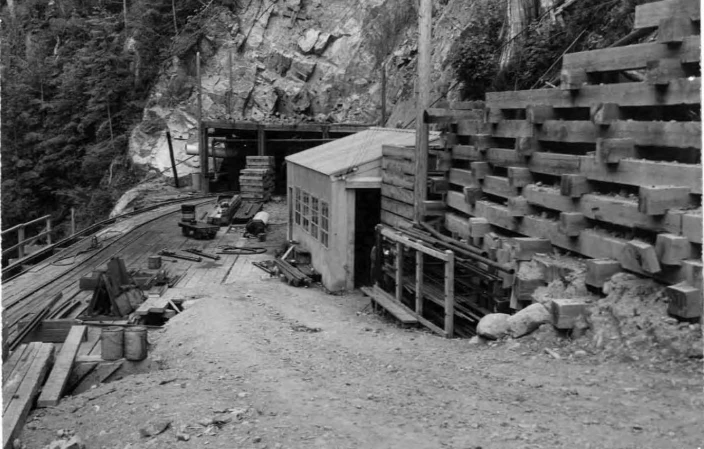
I begin by working with materials that already exist. This includes monitoring data, reports, internal documents, presentations and historical records. Scientists and technical experts provide source material and context, but I make a deliberate effort to do as much independent research and synthesis as possible before asking for their time.
This reduces the burden on already stretched teams and ensures questions are specific and meaningful rather than exploratory.
2. INTEGRATE TWO-EYED SEEING
My science writing for JRWA is informed by a Two-Eyed Seeing approach, which recognizes that different knowledge systems hold distinct strengths and responsibilities. Western science and Indigenous knowledge are not blended or collapsed into one another. They are held alongside each other with respect, each contributing insight that the other cannot replace.
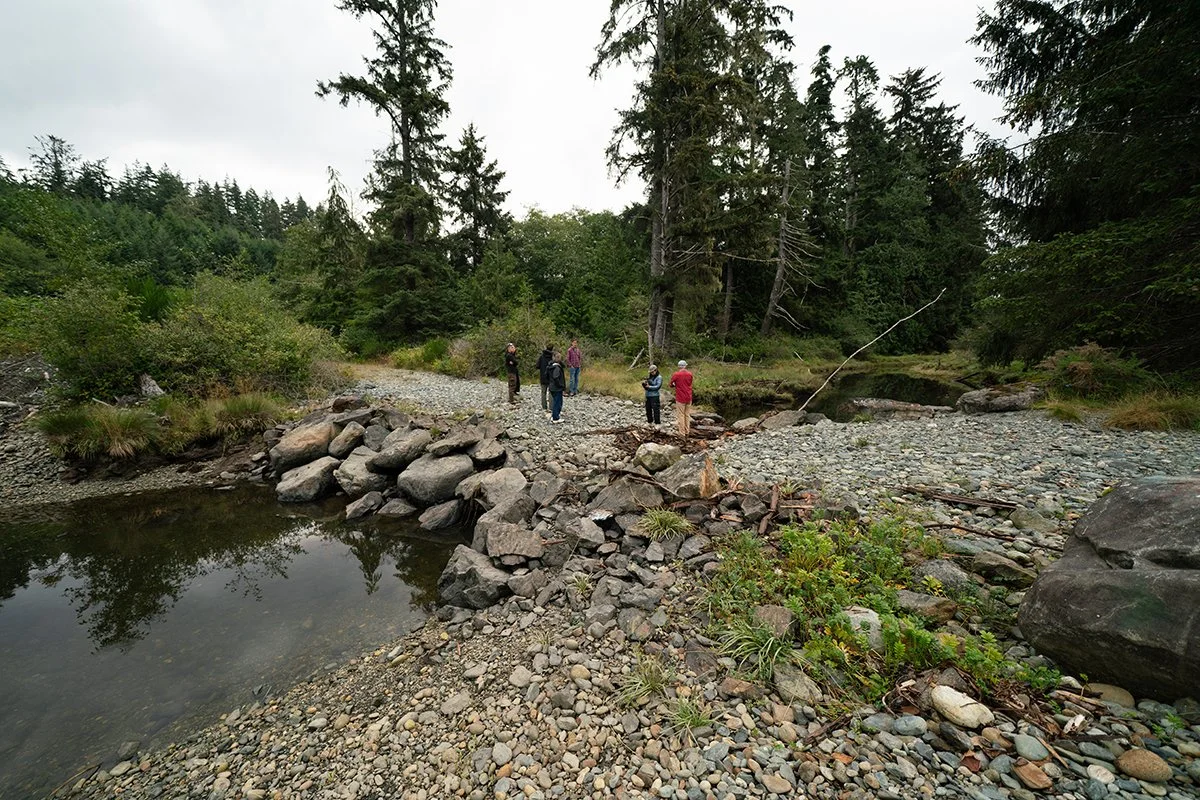
In practice, this means working with scientific and technical experts using established research, monitoring data and regulatory context, while also learning through in-person storytelling shared by a traditional knowledge keeper. These ways of knowing are not treated as interchangeable, symbolic or supplemental. Each shapes how the watershed is understood, how impacts are described and how responsibility is framed.
Writing decisions are made with care for what each knowledge system offers and for the contexts in which that knowledge is shared publicly. This approach supports accuracy, cultural respect and a more complete understanding of place.
3. ACCURACY BEFORE SIMPLIFICATION
One of my non-negotiables is accuracy over communication tactics. I do not remove complexity simply to make something sound cleaner. Instead, I focus on structure, hierarchy and pacing so readers can choose how deeply they want to engage.
Key ideas are introduced clearly, with optional depth layered underneath. This allows someone skimming to grasp the essentials, while students, journalists or researchers can follow the thread further without encountering contradictions or gaps.
4. FACT-CHECKING AND COLLABORATIVE REVIEW
All science writing is fact-checked and reviewed by the relevant scientists or technical experts before publication. My goal is to bring drafts to them that are already well-researched and internally consistent, so review time is focused on accuracy and clarity rather than correction.
This process builds trust and ensures public-facing language reflects the science accurately.
5. AVOID FEAR-BASED AND EXTRACTIVE FRAMING
Another non-negotiable is avoiding fear-driven storytelling. While the issues facing the watershed are serious, writing that relies on alarm without agency often leads to disengagement rather than action.
I also avoid extractive storytelling that uses harm or trauma as a hook without offering context or pathways forward. Instead, writing is framed to acknowledge challenges honestly while reinforcing that solutions exist and that people have a role in them.
Writing for Empowerment, Not Just Awareness
The emotional goal of my science writing is not simply that people feel informed. It is that they feel oriented, capable and invested.
Every piece is designed to answer a few questions readers may have. What is happening? Why does it matter? How does this connect to me? And what can I actually do?
This is especially important when writing for a watershed where responsibility and impact are shared across individuals, industries and institutions. The language must be careful, inclusive and forward-looking.
Where This Writing Lives
For JRWA, this methodology has been applied across multiple formats on their new website, including:
Website issue pages that explain complex topics without overwhelming
Blog posts that allow deeper exploration and context
Advocacy adjacent writing that is accurate and defensible
Summaries of monitoring data for public audiences
Background material that journalists and partners can draw from
Across all formats, the goal remains the same. Clear, ethical science communication that respects readers and the realities they are navigating.
Why This Approach
Environmental communication often fails not because people do not care, but because they cannot find their footing in the information being presented.
By prioritizing accuracy, multiple ways of knowing and reader agency, this approach helps bridge the gap between research and public understanding. It creates space for dialogue rather than defensiveness and supports informed engagement rather than passive consumption.
For organizations like JRWA, science writing is about building shared understanding that can support stewardship, advocacy and long-term care for place.