
Client: Sooke Region Tourism Association
Role: Social media strategy, guidelines and responsible tourism framework
Status: Strategy complete and actively in use. Designed to scale from committee-led implementation to a future contractor or in-house role as funding becomes available

PHOTO: NIKKEY DAWN
The Context
The Sooke Region is a coastal destination where tourism and daily life are deeply intertwined with the ocean, forests and small community infrastructure. As visitation increases, so does the responsibility to guide visitors in ways that protect sensitive ecosystems, respect wildlife and support the people who live and work here year-round.
Sooke has recently begun receiving MRDT hotel tax funding. With access to public tourism dollars comes the expectation that a destination marketing organization is prepared to manage growth intentionally, ethically and with a clear strategy.
When I began working with the Sooke Region Tourism Association, there was no formal marketing or social media strategy in place. Content decisions were reactive and capacity dependent. The opportunity was to build a clear, values-aligned system from the ground up that could support current needs while preparing SRTA to scale responsibly as funding and staffing evolve.
Starting From the Ground Up
Rather than jumping straight into content planning, the first phase of this work focused on listening and alignment.
I worked closely with the SRTA board, members and community to understand who Sooke’s visitors actually are, how they move through the region and where tensions or pressures were already being felt. This included conversations about seasonal crowding, ocean safety, wildlife interactions, access limitations and the realities of running small businesses in a destination that is growing quickly.
Through these conversations, it became clear that SRTA’s social channels needed to do more than attract visitors. They needed to function as a public-facing tool for stewardship, education and trust building, while still supporting the local economy.

PHOTO: NIKKEY DAWN
Defining Markets and Audiences
A key outcome of this early work was the definition of clear visitor markets. Without defined audiences, destination marketing easily defaults to generic messaging that serves no one particularly well.
The strategy identifies four primary visitor groups, each with different motivations and needs.
Island Explorers who are largely self guided and looking for nature based day trips and weekends.
Urban Escapers from Greater Vancouver and the Pacific Northwest seeking a mix of outdoor adventure, food and wellness.
Connection Seekers who value slow travel, culture, Indigenous tourism and meaningful experiences.
Adventure Seekers who travel specifically for activities like paddling, hiking, biking and wildlife viewing.
Understanding these groups allowed the strategy to address responsible tourism practically. Ocean literacy and respectful marine life viewing look different depending on who you are speaking to. A family tide pooling needs different guidance than a paddler or wildlife watcher. The strategy reflects this nuance rather than treating visitors as a single audience.
A Strategy Rooted in Responsible Tourism
From the outset, responsible tourism was positioned as a core function of SRTA’s social media presence.
This includes guiding visitors toward places that can handle higher use, discouraging promotion of sensitive or restricted areas and sharing practical, positive guidance around outdoor ethics, marine life viewing and ocean safety. Content consistently reinforces behaviours like maintaining legal and respectful distances from wildlife, checking tides and conditions, understanding seasonal closures and choosing experiences that prioritize safety and positive impact.
Ocean literacy is woven throughout the strategy, especially given Sooke’s identity as an ocean-based destination. Posts about beaches, paddling and wildlife are paired with clear context and gentle education so visitors feel prepared rather than policed. The tone is that of a knowledgeable local guide who wants people to have a great experience without causing harm.
Content Pillars That Support Both Community and Visitors
To keep the work focused and manageable, the strategy is built around six content pillars that balance inspiration with stewardship.
RESPONSIBLE TRAVEL AND OUTDOOR BEST PRACTICES
COMMUNITY, LOCAL BUSINESSES AND EVENTS
OUTDOOR ADVENTURE INCLUDING GUIDED AND SELF-GUIDED EXPERIENCES
NATURE, WILDLIFE AND BIODIVERSITY
INDIGENOUS TERRITORY, TOURISM AND CULTURE
YEAR-ROUND VISITATION AND LONGER STAYS
These pillars ensure that social media supports local businesses and events while also protecting place. They also make it easier for volunteers, contributors and future staff to understand what fits and what does not.
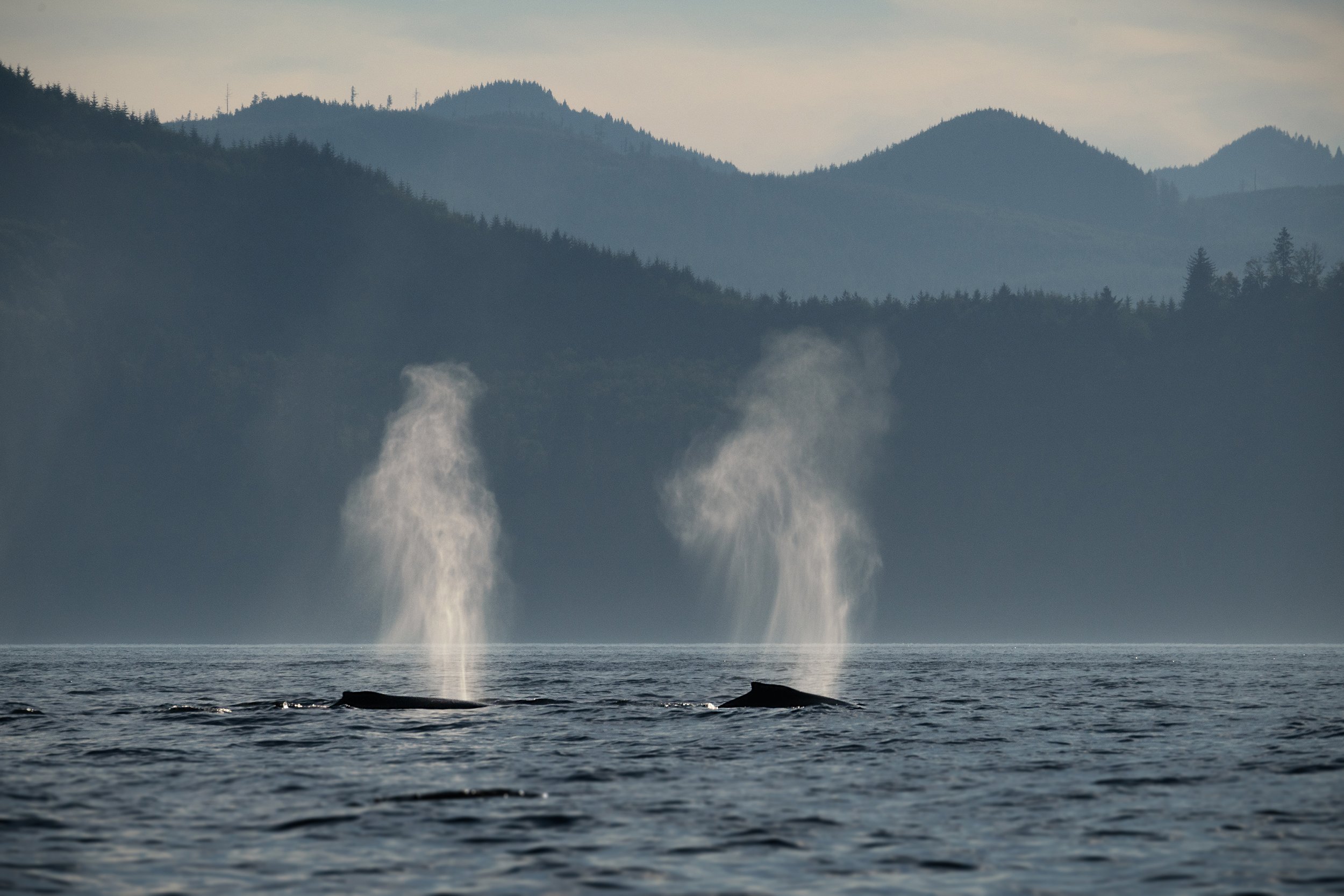
PHOTO: NIKKEY DAWN
Governance, Safety and Trust
An essential part of this strategy is providing clear direction on how content is shared responsibly.
The guidelines outline how to approach sensitive access points, wildlife interactions, emergency situations and safety considerations. This includes clear protocols for sharing fire updates, road closures and marine safety information in a calm, reliable way that supports both visitors and residents.
Thoughtful moderation and engagement guidance also supports the committee in responding to misinformation or conflict without escalating it. This is especially important in conversations around access, conservation and fast-changing conditions, where trust, accuracy and tone matter deeply.
Designed to Scale
This strategy was intentionally built to match SRTA’s current capacity while preparing for future growth.
Right now, it can be followed by the Social Media Committee using a realistic volunteer workflow and a mix of professional and phone-shot content. The systems, voice guidelines and content structures are already in place so that when MRDT funding supports a contractor or in-house communications role, the transition can happen smoothly.
The goal was not to create something that works only at one level of resourcing, but to build a foundation that grows with the organization.
Measurement and Readiness
Success is measured not just in reach or follower growth, but in whether the channels are doing their job.
This includes engagement with responsible tourism and ocean literacy content, clarity around safety and wildlife guidance, support for member businesses and events and reduced confusion or repeated questions over time as Highlights and evergreen content become established.
Regular review through the Social Media Subcommittee allows SRTA to adapt the strategy as conditions, seasons and community needs change.
Outcome
This project delivered SRTA’s first comprehensive social media strategy and guidelines, built collaboratively with the board and members and grounded in the realities of place.
The strategy was extremely well received. Board members and the district representative expressed that it clearly articulated challenges they had been struggling to name, and demonstrated a level of readiness and thoughtfulness that exceeded expectations. The clarity, depth and practical structure helped build confidence that SRTA is prepared to manage growth responsibly as MRDT funding becomes part of its future.
Beyond approval, the strategy created shared alignment. It gave the board, committee and community partners a common language for speaking about responsible tourism, ocean literacy and visitor management, and a clear framework for moving from intention to action.
Most importantly, it positioned SRTA’s social channels as more than marketing tools. They are now understood as public-facing stewardship tools that protect sensitive environments, support local businesses and strengthen trust between visitors, residents and the destination organization.
PHOTO: NIKKEY DAWN