Client: Jordan River Watershed Awareness Coalition
Role: Impact strategy, content architecture and website design
Status: V1 Live
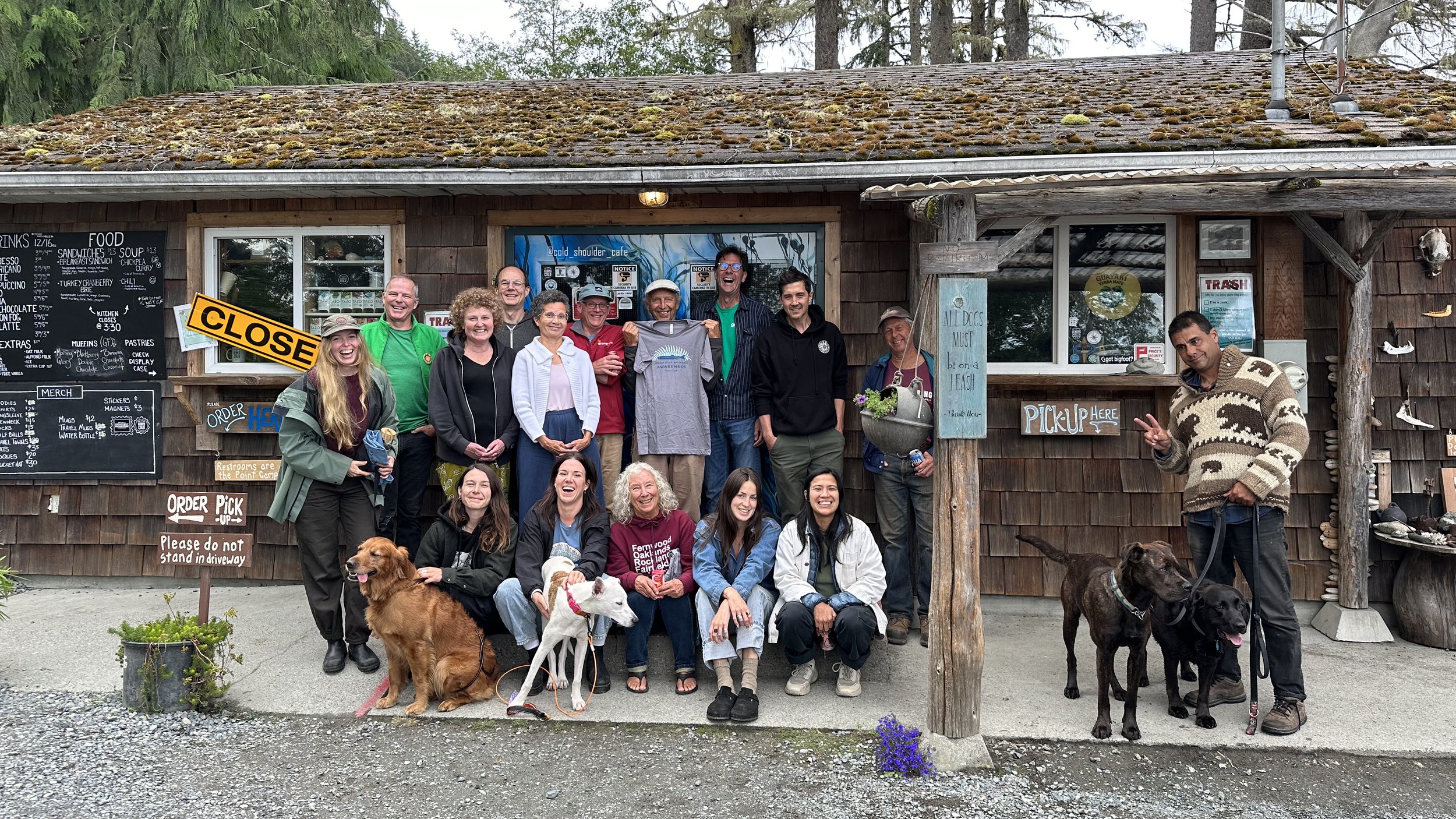
I first became involved with the Jordan River Watershed Awareness Coalition through the surf community. Like many people living here, I care deeply about our local waterways, but was largely unaware of the complex and troubling history upstream.
That changed when I joined a JRWA watershed tour.
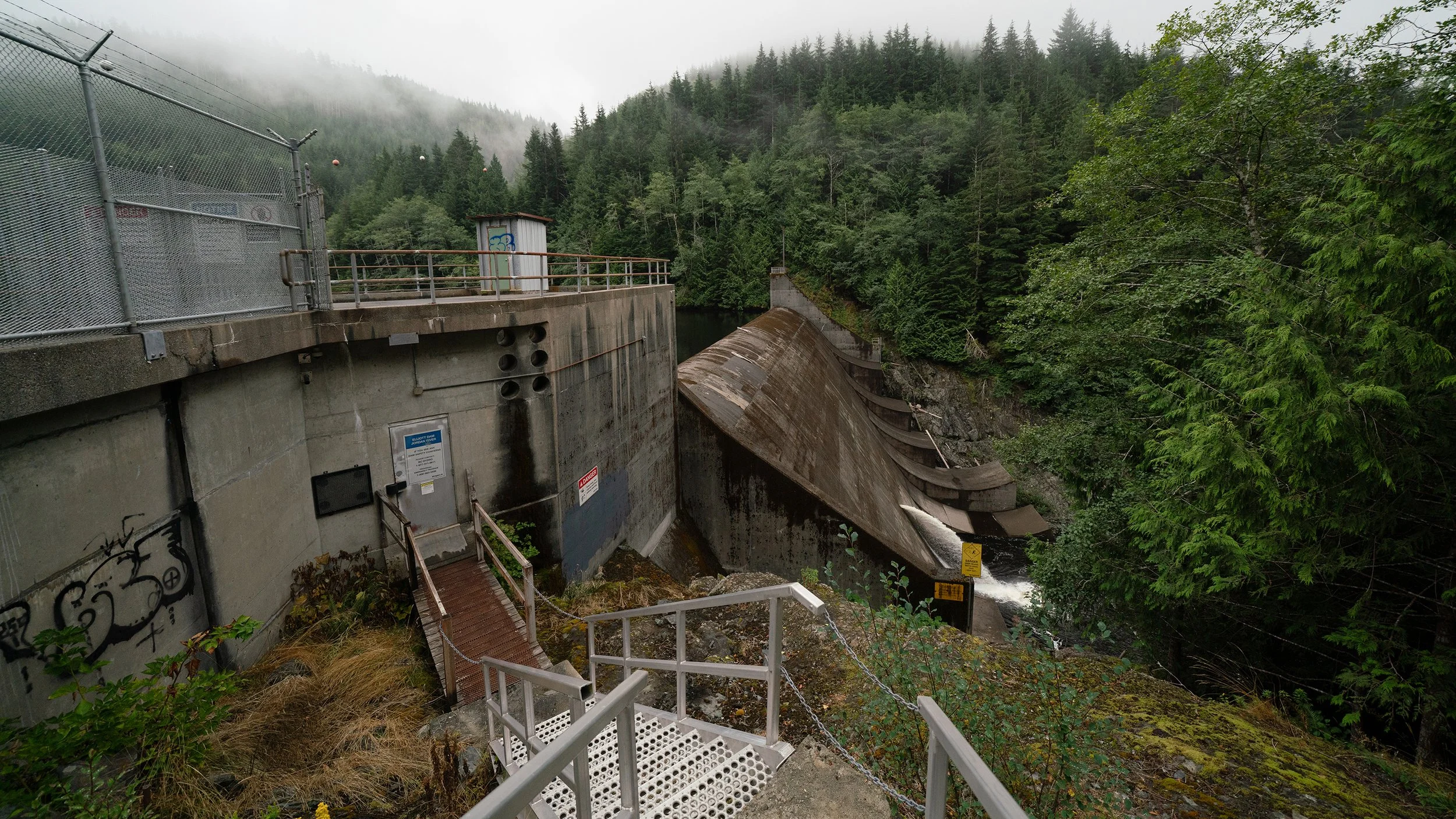
Seeing the landscape firsthand, visiting industrial sites and hearing directly from those working on the issues was perspective-shifting. I was shocked to learn that water contaminated with copper at levels roughly 300 times above provincial guidelines for freshwater aquatic life continues to flow through the system, entering the ocean near the river mouth and one of the community’s most heavily used beaches for shoreline and ocean recreation.
What became just as clear was how differently people on the tour were processing the same information. Some were overwhelmed by the scale and complexity of the issues. Others wanted to dig into data, policy and regulatory pathways. A few were already asking, What can we actually do?
In that moment, the core challenge came into focus. This wasn’t only an environmental problem. It was a communications challenge rooted in awareness, access and how complex information is shared. When JRWA asked me to build a new website for them, I knew we needed to start with an impact strategy.
The Challenge
The Jordan River watershed faces layered, interconnected pressures: historic and active industrial impacts, regulatory gaps, ecological degradation and community health concerns. Unlike organizations focused on a single issue and response, JRWA is working across many fronts at once.
The organization had no shortage of knowledge, data or lived experience. What it needed was a way to translate that complexity into a clear, accessible narrative that could meet people where they are, whether they’re skimming, learning or investigating deeply.
The site had the potential to become more than an information repository; I could design it as a strategic tool for education, outreach and restoration.
Framing the Website as a tool for change
From the outset, I approached the website as a living tool for change.
The guiding questions were:
How do you explain complexity without overwhelming people?
How do you honour science, traditional knowledge and lived experience together?
How do you create space for both skimmers and deep divers — students, journalists, funders and community members?
And how do you turn understanding into action?
These questions shaped every structural and design decision that followed.
Design Principles
Clear principles acted as guardrails throughout the project. The website needed to:
Bring to light environmental injustice while fostering respectful, informed dialogue
Center lived experience, traditional knowledge and science together
Empower audiences with agency and achievable pathways to action
Inspire awe, hope and a sense of possibility for restoration
Clearly communicate urgency and why this moment matters for the watershed
These principles ensured the site could hold nuance without softening the reality of what’s at stake.
An Asset-Led Strategy
Rather than starting from scratch, the strategy focused on connecting and elevating what already existed.
This included scientific monitoring data, historic archives, community stories, photography, film and traditional knowledge shared by an Elder. By mapping these assets early, the website could be designed as a coherent ecosystem of information rather than a series of disconnected pages.
This approach also allowed content to operate at multiple depths, from high-level summaries to detailed archives, without forcing every visitor through the same experience.
Turning Complexity Into Clear Pathways
The website is structured to guide people through understanding, context and choice.
Complex issues are broken into digestible sections using plain language, strong hierarchy and visual storytelling. Interconnections between issues are made visible without oversimplifying them. For those who want to go deeper, the blog and resource sections provide space for detailed exploration.
Importantly, information is never presented in isolation. Education is consistently paired with context, progress and clear calls to action that follow an engagement ladder.
Read more: Science Writing & Information Design for JRWA
Supporting Films and Outreach
JRWA’s films are treated as catalysts rather than endpoints. Dedicated landing pages connect each film to the broader watershed story, grounding emotional impact in practical next steps such as volunteering, advocacy, fundraising or ongoing learning.
This ensures that powerful storytelling continues to generate momentum long after a screening ends.
Measuring What Matters
Success for this project isn’t defined by aesthetics alone. A clear measurement framework supports learning and adaptation over time, including:
User comprehension and usability testing
Engagement with educational content and films
Volunteer sign-ups, advocacy actions and donations
Repeat visits, newsletter growth and partner feedback
Together, these indicators help assess whether the website is doing what it was designed to do: support understanding, trust and action.
Outcome
The result is a strategic, resource-rich website designed to serve as JRWA’s central platform for education, outreach, fundraising and restoration.
For me, this project reflects what I care most about in my work: breaking down complex problems, designing clear narratives and creating communication systems that meet people where they are, from those who skim, to those who dive deep, without losing urgency, integrity or hope.